
LEAK DETECTION, CHAPEL HILL
Emergency Leak Detection in Chapel Hill, NC
A jump in your OWASA bill with nothing visibly wet is usually a leak that has not shown itself yet. We locate it precisely, without opening walls to search.
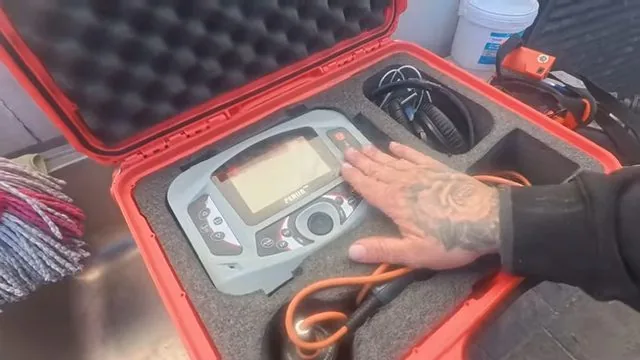
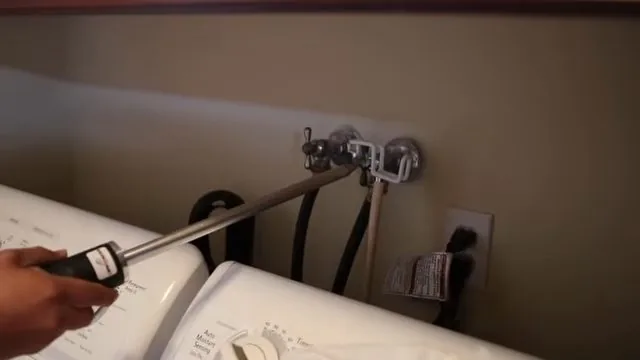
Most leaks in a Chapel Hill house are found the hard way, after a water bill climbs for a month or two with no obvious explanation, or after a patch of yard stays green through a dry spell. A hidden leak is cheapest to fix the day it starts and most expensive the day it finally shows itself, because every week in between is a week of quiet wicking into a subfloor or saturating the ground under a foundation.
Rather than guessing and opening drywall to search, we use acoustic listening equipment, pressure testing and thermal imaging to pinpoint the leak before anyone touches a wall. That turns an exploratory demolition into one small, correct opening exactly where the water is.
Signs you likely have a hidden leak
- A water bill that climbed with no change in how the household uses water
- The meter's flow indicator still moving with every fixture off
- A patch of yard that stays damp or unusually green in dry weather
- A warm spot on a slab floor, which usually means a hot water line
- The sound of running water somewhere in the house when nothing is on
How we find it
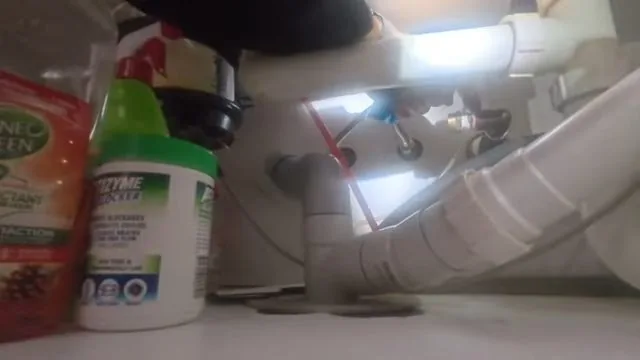
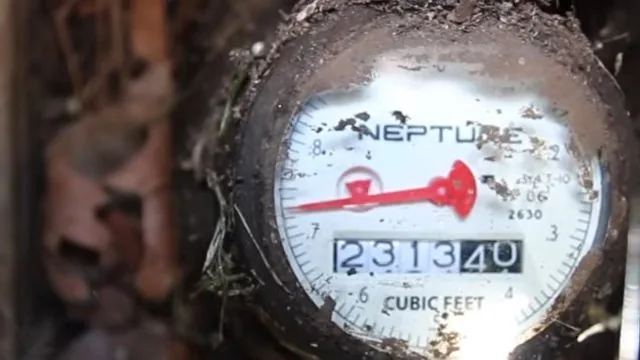
We start with the same meter test you can do yourself: shut off every fixture, watch whether the meter's flow indicator still moves, then isolate the house valve to tell whether the leak is inside or in the yard line. From there, acoustic equipment listens for the leak through pipe and slab, and thermal imaging can trace a hot water line by the heat signature it leaves.
Once the leak is pinpointed, we mark the exact spot before any cutting starts. On soft OWASA water, leaks are usually about age, a bad fitting or physical damage rather than mineral corrosion eating a pipe from the inside, so a located leak is often a clean, contained repair rather than the start of a bigger problem.
Leak Detection won't wait. Call our 24/7 dispatch line now.
CALL NOW(984) 237-6514Why this matters more in older Chapel Hill homes
Houses built before municipal water pressure regulation and modern pipe materials became standard, common through the older blocks near campus and in Carrboro, often still carry original supply runs. A slow leak in one of those lines can run for months inside a wall or under a crawl space before it becomes visible, and by then it has usually done more damage than the pipe repair itself will cost.
The meter test, step by step
You can confirm a suspected leak yourself before you ever call anyone. Turn off every fixture in the house, including the ice maker and any irrigation, then find your water meter and watch the small flow indicator, the little dial or triangle that spins when water is moving. Wait about an hour without using any water and check it again.
If it moved, water is going somewhere with everything off. Shutting the valve where the main line enters the house and repeating the test tells you whether the leak is inside the house or in the underground line between the meter and the foundation, which is exactly the kind of evidence that makes a professional's job faster once you call.
Questions we get
How much does a hidden leak actually waste?
A pinhole running constantly can waste hundreds of gallons a month, which is usually the first thing that shows up on the bill. The structural cost of leaving it unfound is almost always far higher than the water itself.
Can you find a leak without cutting into my walls?
Yes, that is the entire purpose of acoustic and thermal detection. We locate the leak first so the repair is one small, correct opening rather than a search.
What if the meter test shows nothing but I still suspect a leak?
Not every leak is constant. An intermittent leak, one tied to a specific fixture or irrigation zone, can be missed by a single meter reading, so we can run a longer monitored test or check specific suspect areas directly.
Is a leak covered by insurance?
That depends on your specific policy and how long the leak ran before discovery, so we cannot say in general. We can document what we find, which is usually what an insurer will ask for.
Ready to Book Leak Detection?
A jump in your OWASA bill with nothing visibly wet is usually a leak that has not shown itself yet. We locate it precisely, without opening walls to search.