
KITCHEN PLUMBING, CHAPEL HILL
Kitchen Plumbing in Chapel Hill, NC
The kitchen sink cabinet is the busiest plumbing in the house. We handle it as a system, not a set of separate fixtures that happen to share a cabinet.
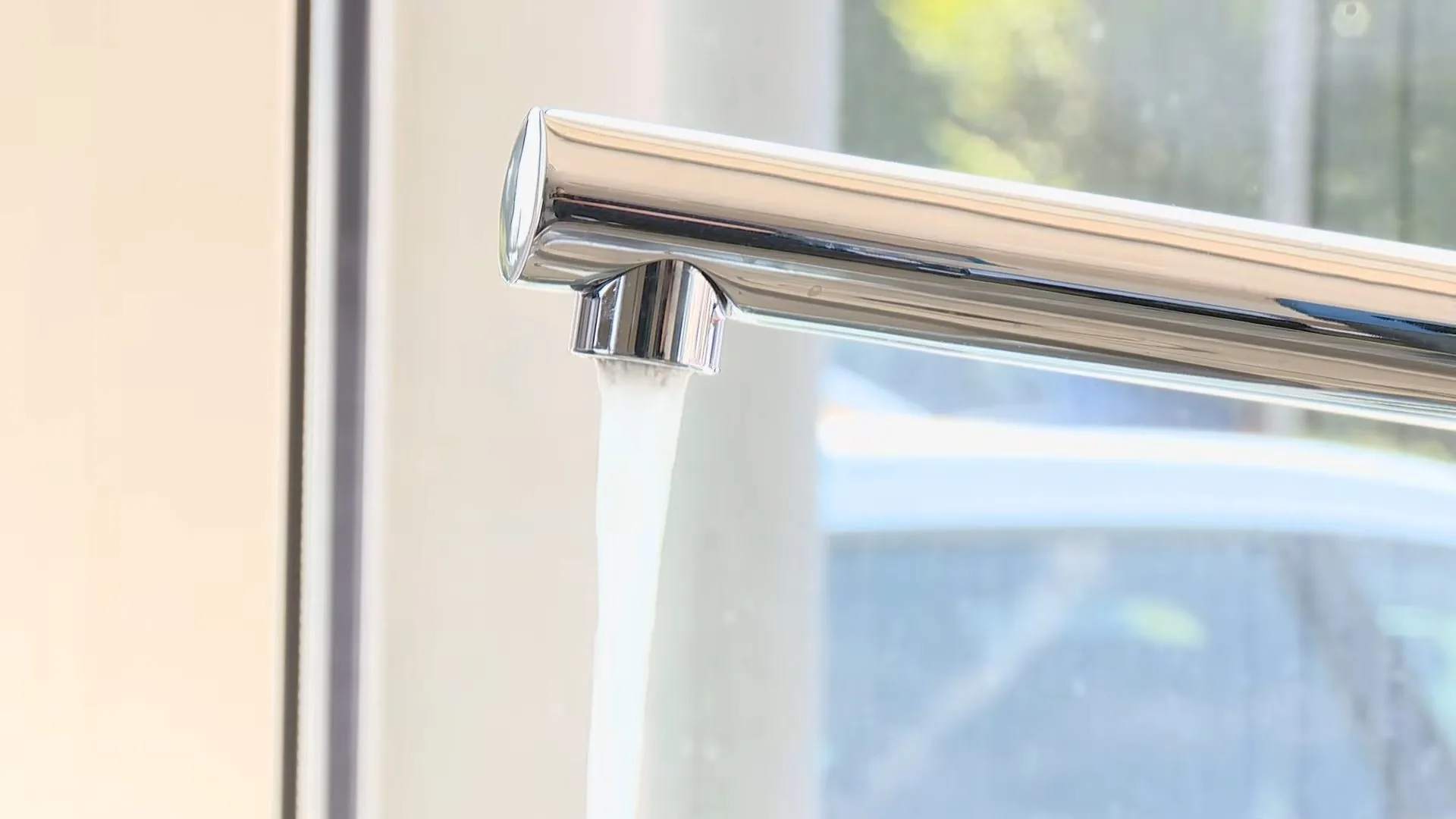
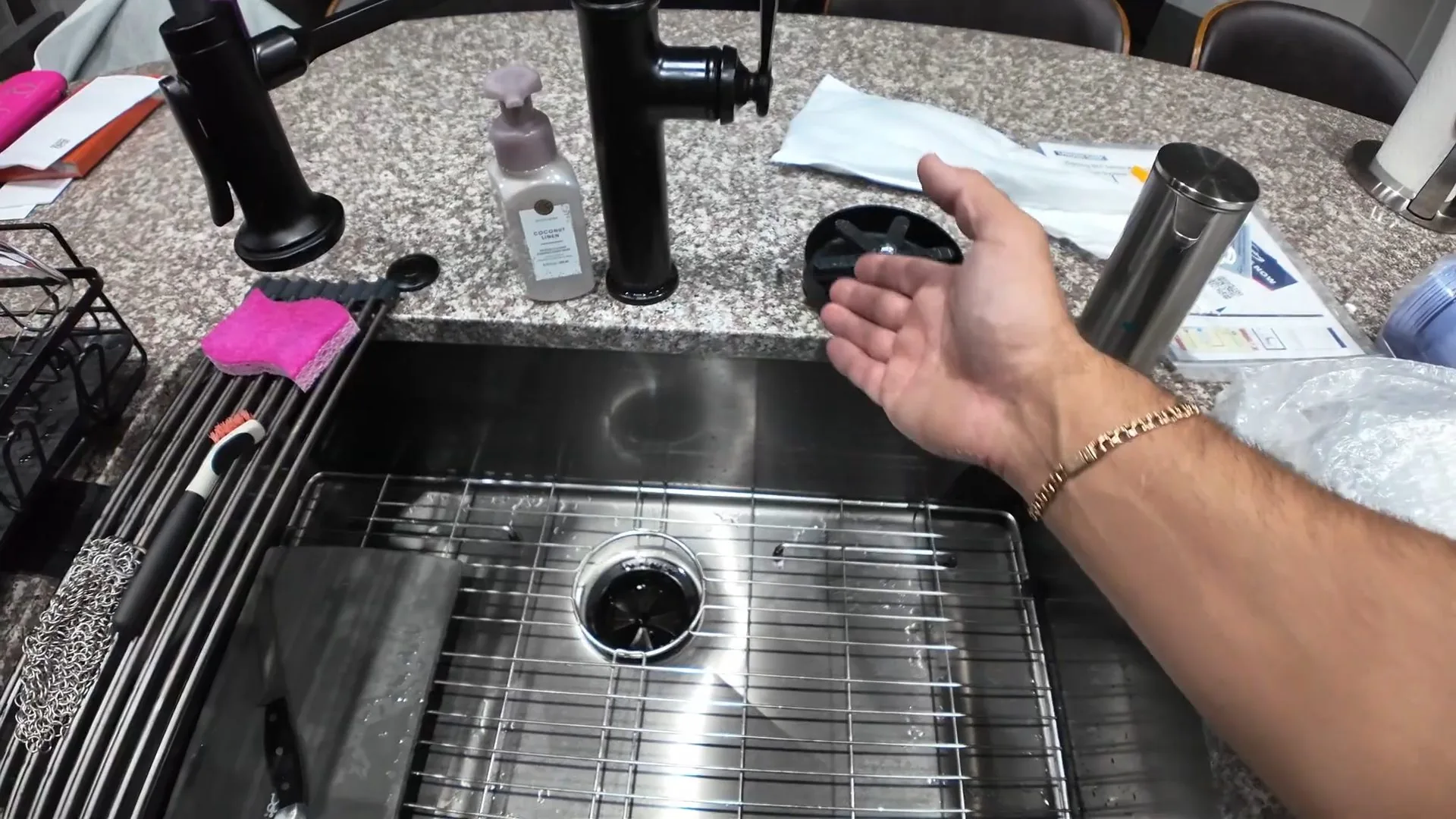
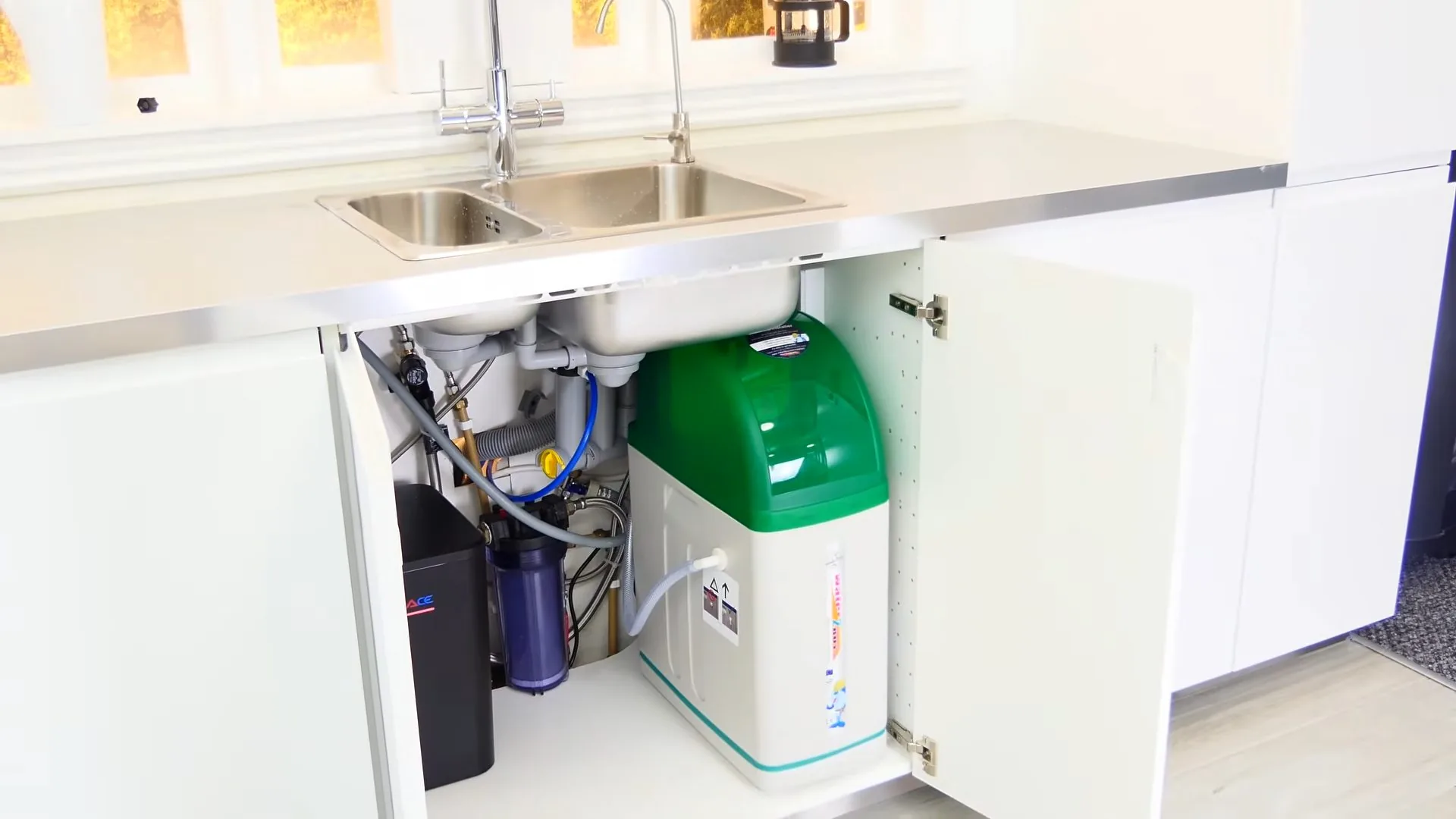
Kitchen plumbing covers everything tied into the sink cabinet: the drain line, the disposal connection, the dishwasher's high loop, the supply lines and shutoffs, and increasingly a filtered water tap. Problems that look separate, a slow sink, a disposal that keeps jamming, a dishwasher that backs up, often share one cause underneath the cabinet.
The kitchen sink is also the drain that clogs most in any house, because it is the only one that regularly takes fats, oils and grease. That single fact explains most of what actually gets called in here.
Common kitchen plumbing problems
- A kitchen drain that clogs every few months despite normal use
- A dishwasher that backs up into the sink during its cycle
- A disposal that hums but will not turn, or runs but the sink still backs up
- Water pooling in the cabinet under the sink
- Low flow from a filtered or dedicated water tap
Treating the cabinet as one system
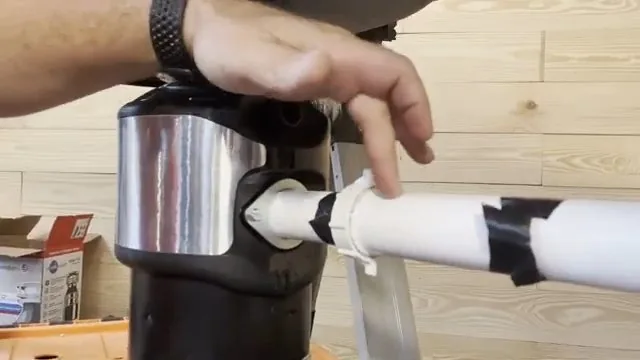
A dishwasher that backs up into the sink is usually a missing or collapsed high loop on its drain hose, not a problem with the dishwasher itself. A disposal that runs fine but the sink still backs up almost always means the drain line downstream is the actual problem, not the disposal. Diagnosing the connection rather than the individual fixture is what avoids replacing a good appliance for the wrong reason.
For a persistent kitchen clog, a proper cleaning or, for a badly built-up line, hydro jetting clears what a chemical opener cannot touch. And because even a strong disposal grinds solids but still sends grease straight down the pipe, no disposal protects the drain from what actually causes most kitchen clogs.
Need a kitchen plumbing plumber in Chapel Hill today?
CALL NOW(984) 237-6514Filtered water, not softened water
Many Chapel Hill households want a filtered water tap at the kitchen sink, and it is worth knowing what that is actually solving. OWASA water here is already soft, so filtration at the kitchen sink is almost always about improving taste, cutting the chloramine flavor some people notice, rather than removing hardness minerals that are not really present in the first place. We plumb a dedicated filtered tap or a fridge line cleanly, sized to what you are actually trying to fix.
The grease habit that prevents most of this
The single cheapest plumbing improvement in a kitchen is a grease habit: pour cooled grease and oil into a can for the trash instead of down the sink, wipe greasy pans before washing them, and run plenty of cold water when using the disposal so what does go down keeps moving. None of that undoes a drain that is already lined with hardened grease, but it is the difference between a kitchen that never calls about a clog and one that calls every few months.
Questions we get
Why does my kitchen sink keep clogging?
Grease, almost always. It goes down warm and hardens on the pipe wall as it cools, and neither hot water nor a chemical opener removes what is already coating the pipe. A proper cleaning, or jetting for a bad buildup, actually clears it.
Why does my dishwasher back up into the sink?
Usually a missing or collapsed high loop on the dishwasher's drain hose, which lets wastewater flow the wrong direction. Re-establishing the loop, or clearing a blockage right where the hose meets the disposal, resolves it.
Do I need a water softener for my kitchen tap?
Almost certainly not on Chapel Hill's municipal water, which is already soft. If the water tastes off, that is a chloramine taste issue that filtration addresses, not a hardness problem a softener would fix.
Can a strong disposal protect my drain from clogs?
No. A disposal grinds solids, but it still sends grease and fine debris down the pipe, where it builds up the same as it would without a disposal at all.
Ready to Book Kitchen Plumbing?
The kitchen sink cabinet is the busiest plumbing in the house. We handle it as a system, not a set of separate fixtures that happen to share a cabinet.